Pierce McBride

Projects


Social Poker

Staff Engineer @ForeVR Games

Tech

Typescript, Javascript, HTML/CSS, Three.js

Platforms

Reddit, Cloudflare

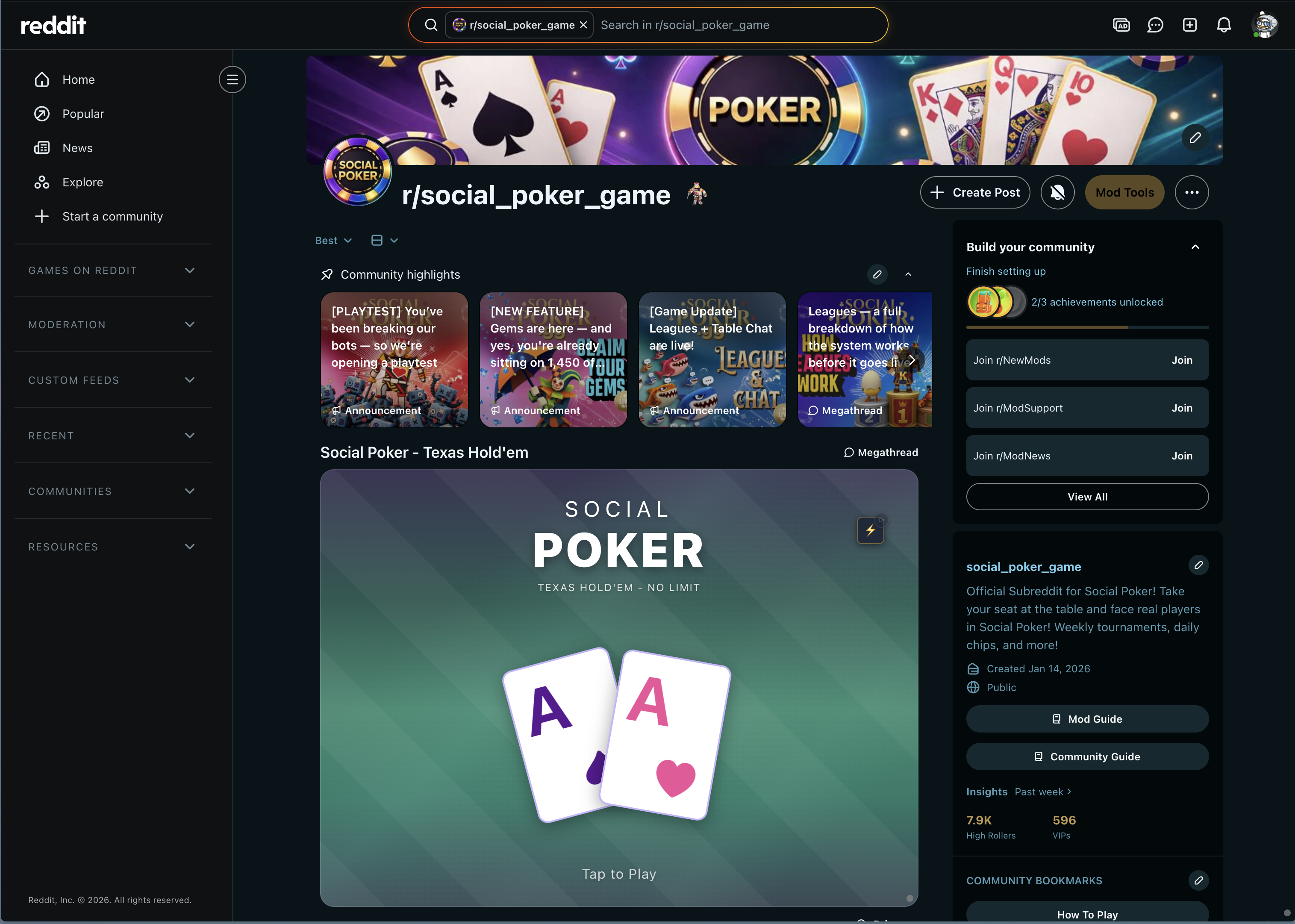
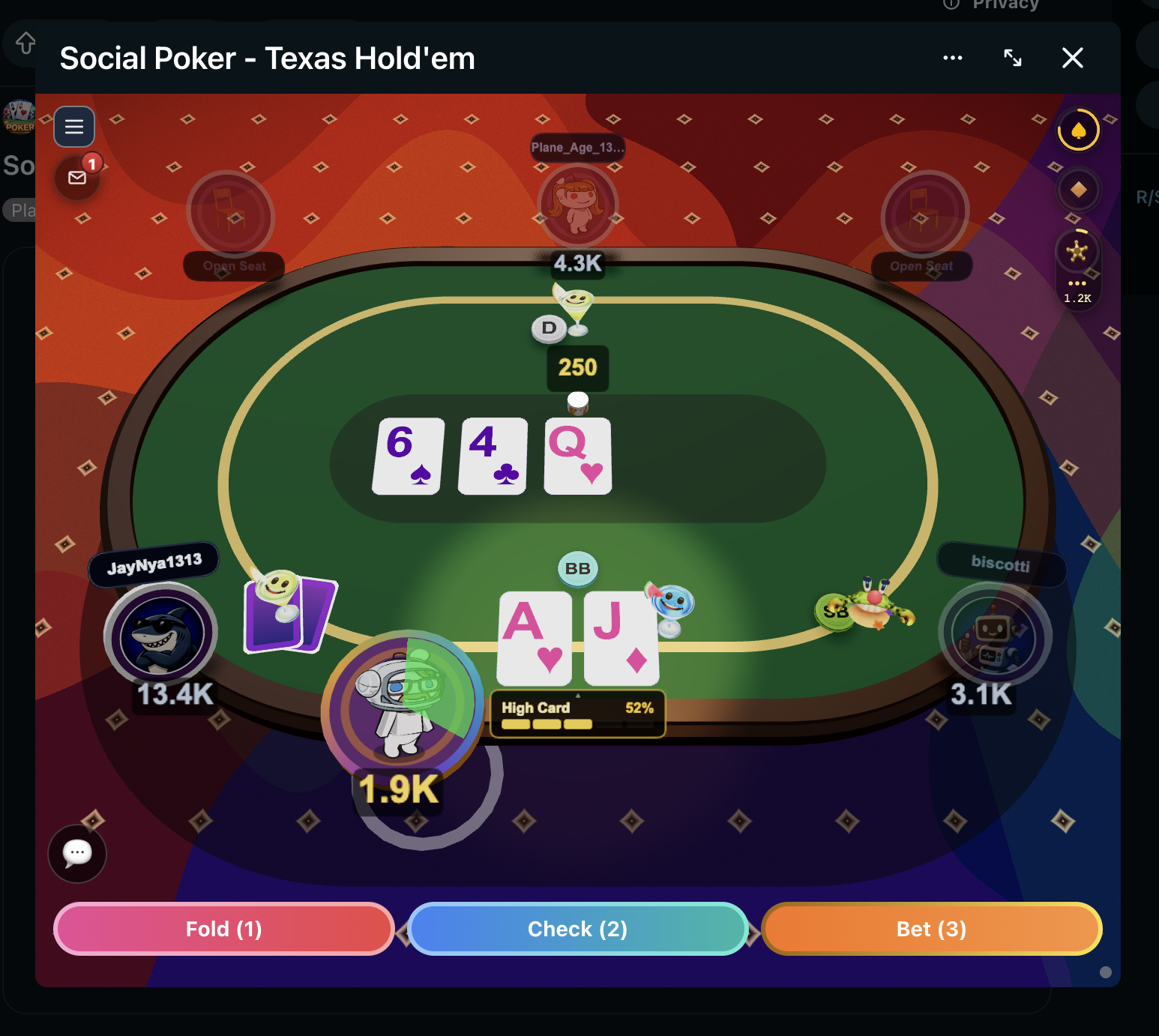
Social Poker is a live service competitive multiplayer texas hold-em poker game. Players compete at either casual or sit-and-go tables and try to maintain their spot in their assigned league. It was originally designed for the Games on Reddit platform but later expanded to web and mobile ports.

I worked on this game after Meta stopped second-party development for Meta Horizons and work on Fire & Rescue, as well as all other Meta Horizon projects, wound down. I worked on a series of client-facing features like the showdown animations, keyboard hotkeys, promo codes and the in-game shop but over time I started doing more internal tool development and backend features, especially on Cloudflare. I spearheaded a local development environment where we could emulate Reddit environment and tooling to support us running admin actions on the live game. Once we started working on the standalone version of the game, I did almost all of the initial porting and was instrumental in features such as a waitlist, live chat, backend admin tooling, PiP and PWA support.
Be A Toy

Staff Engineer @ForeVR Games

Tech

Horizon Engine, Typescript

Platforms

Meta Horizon Worlds, Meta Quest

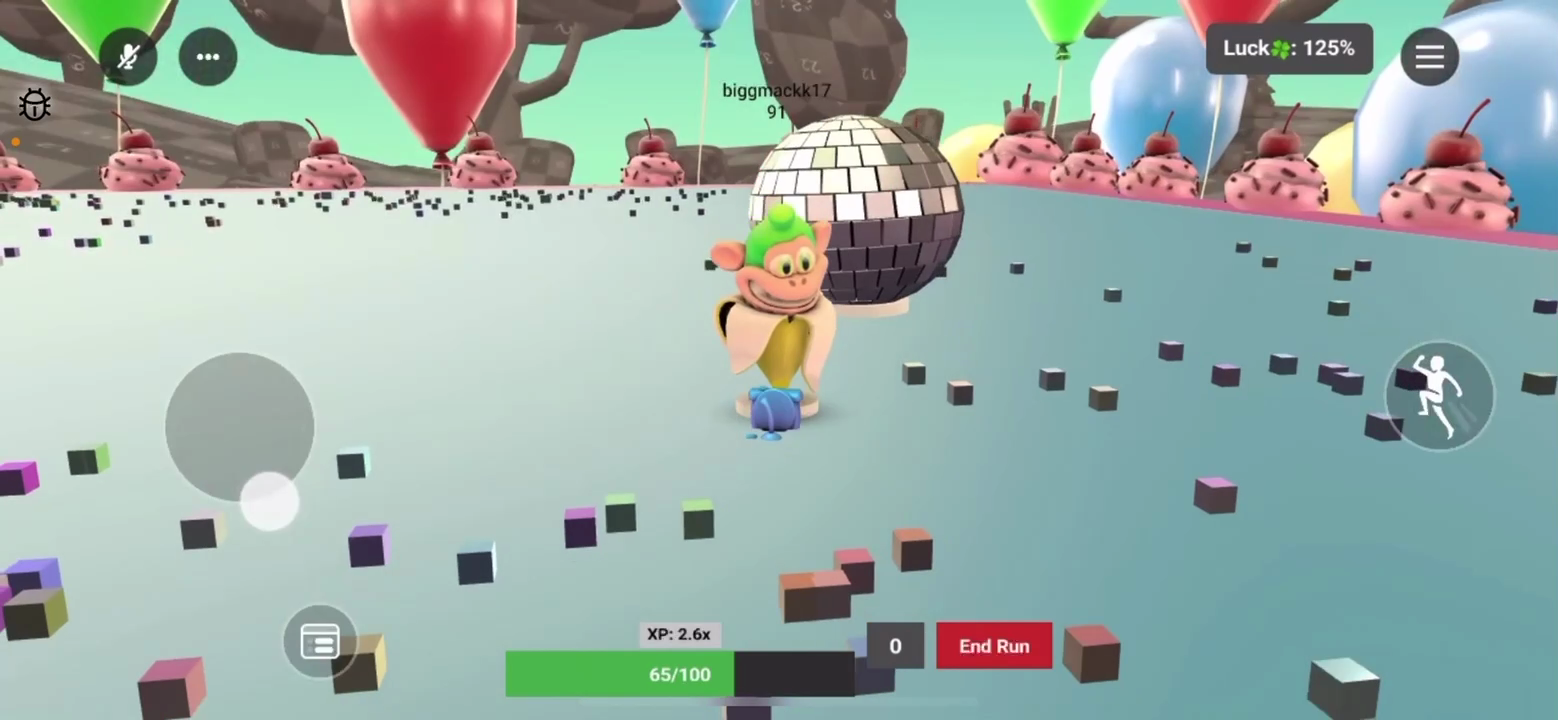
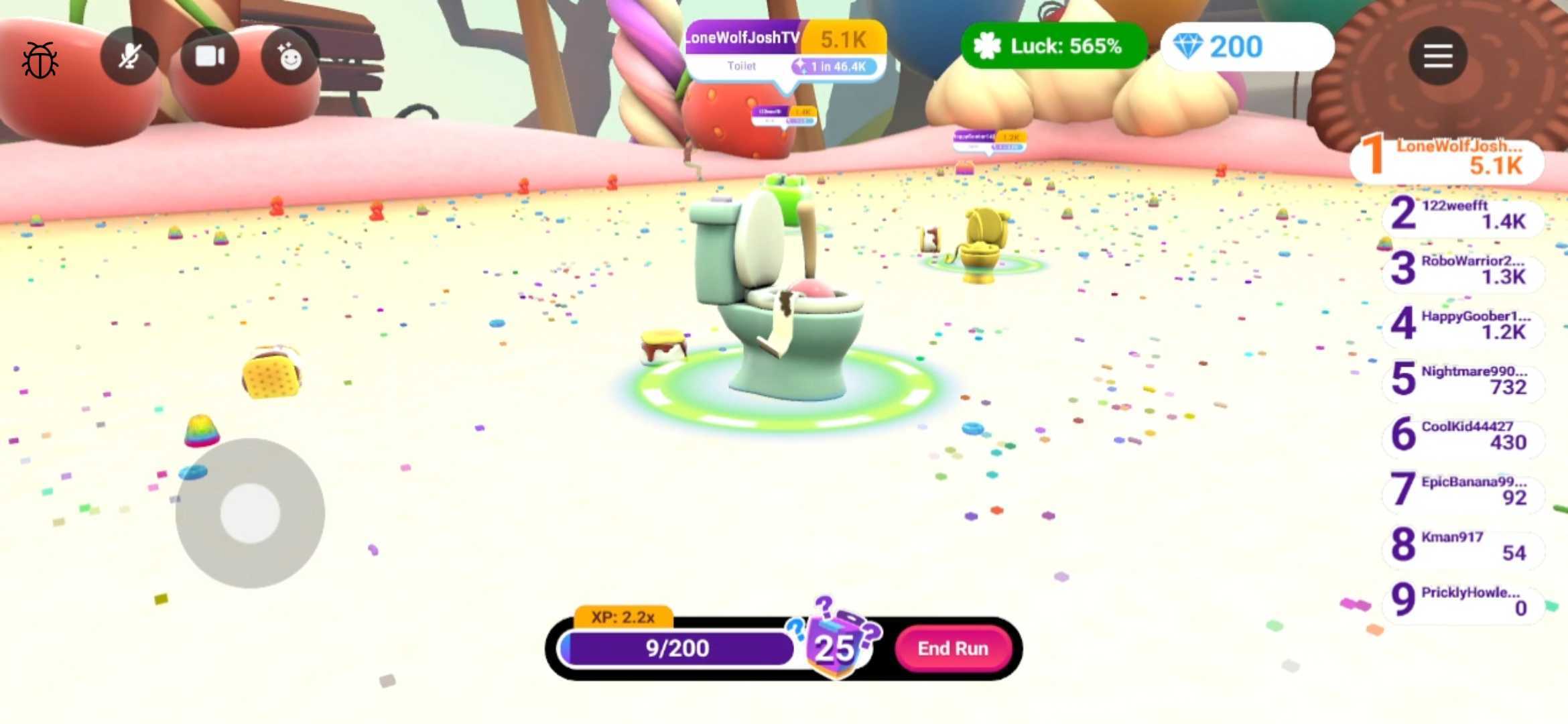
Be A Toy is a live service competitive multiplayer game where each player It tries to grow as large as possible by incrementally picking up small party favors on the ground or by eating each other on. the game board. Its design is heavily based off of incremental Roblox games like Be A Food .

I worked on this game while we tried third-party Horizon game development after Fire & Rescue wound down. I worked on bits and pieces of almost every aspect of the game, including the initial architecture and all the VR port work done near the tail end of the project. The tech I designed for Fire & Rescue’s fire particles was also instrumental in rendering thousands of party favors on the ground that players could pick up without overloading draw calls.


Paint The Block

Staff Engineer @ForeVR Games

Tech

Horizon Engine, Typescript

Platforms

Meta Horizon Worlds, Meta Quest

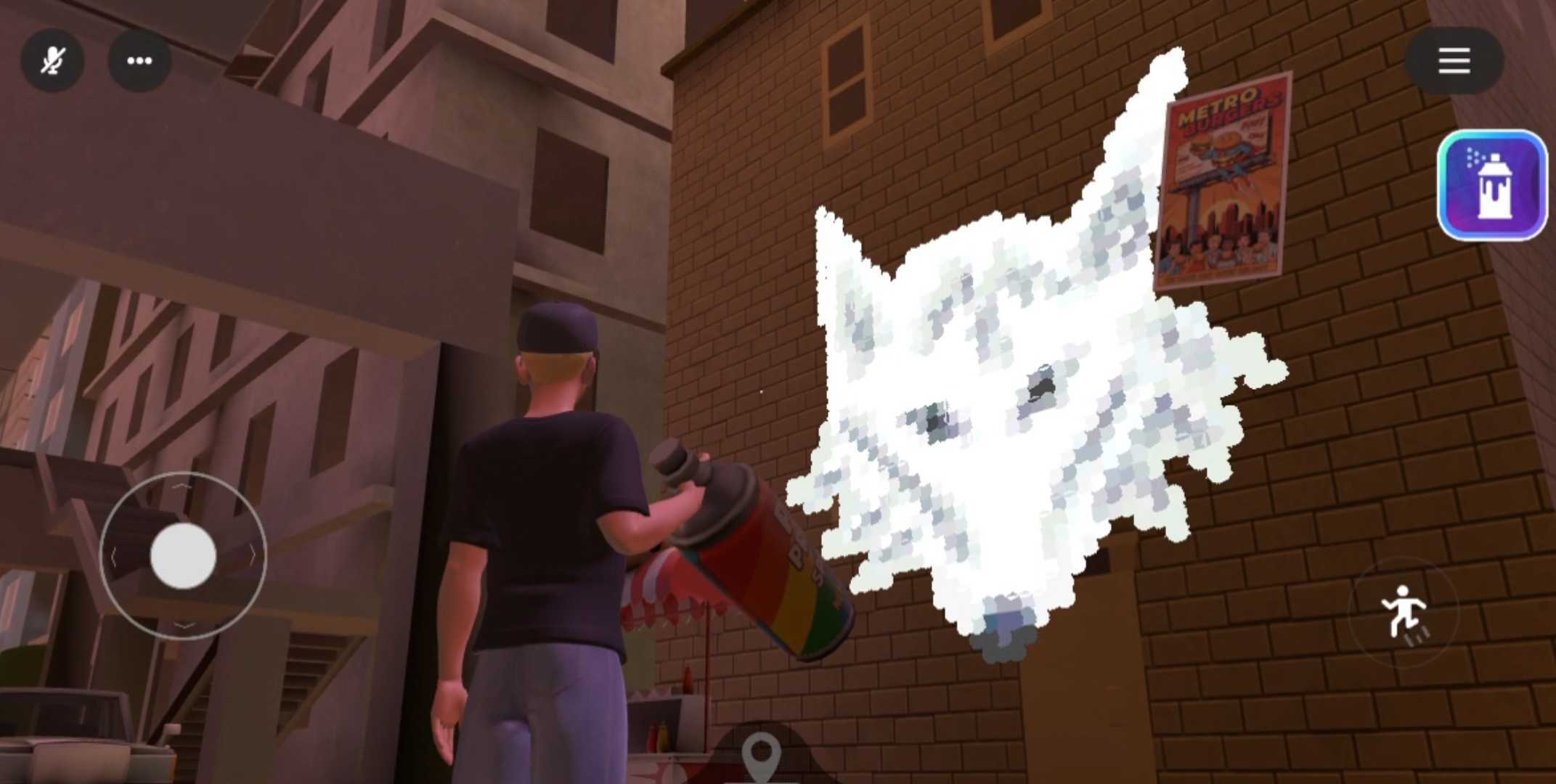
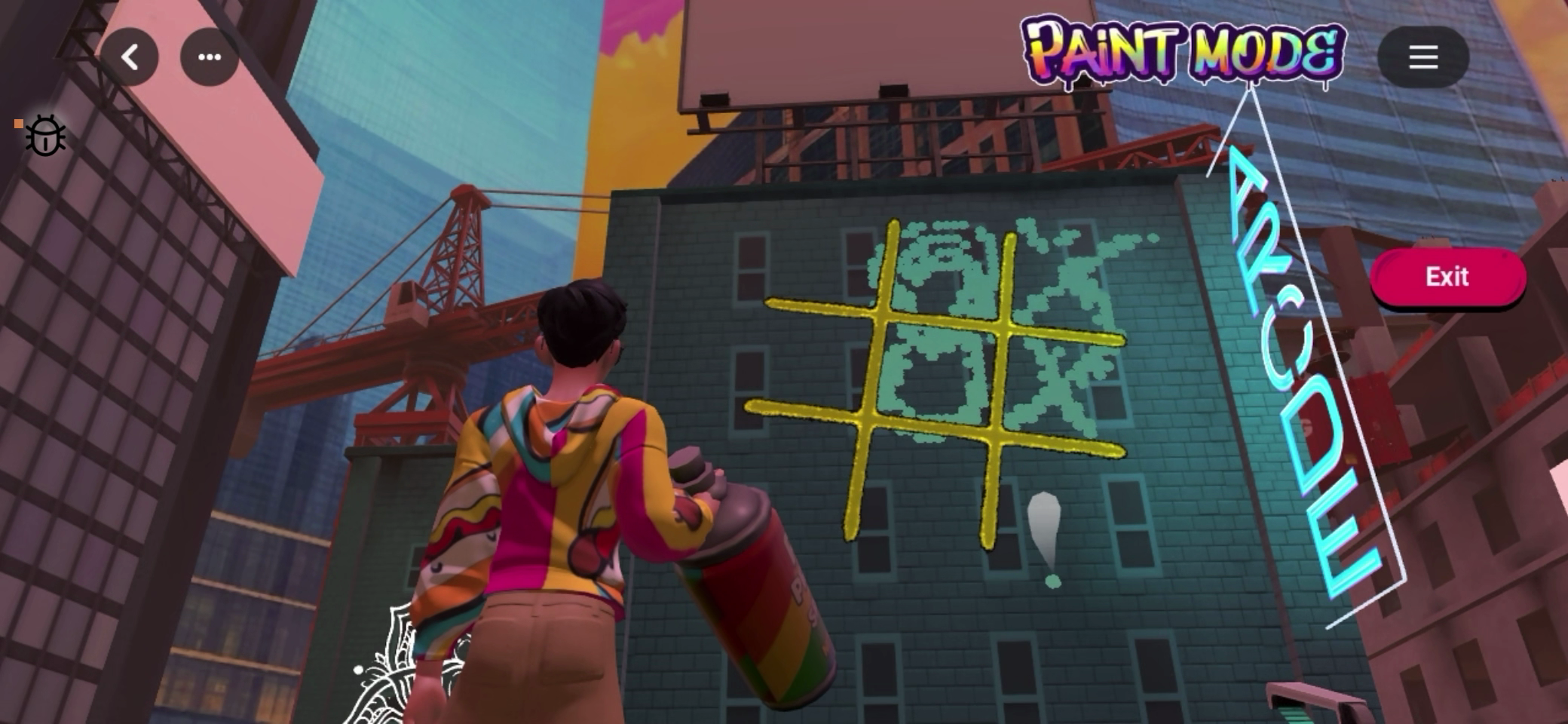
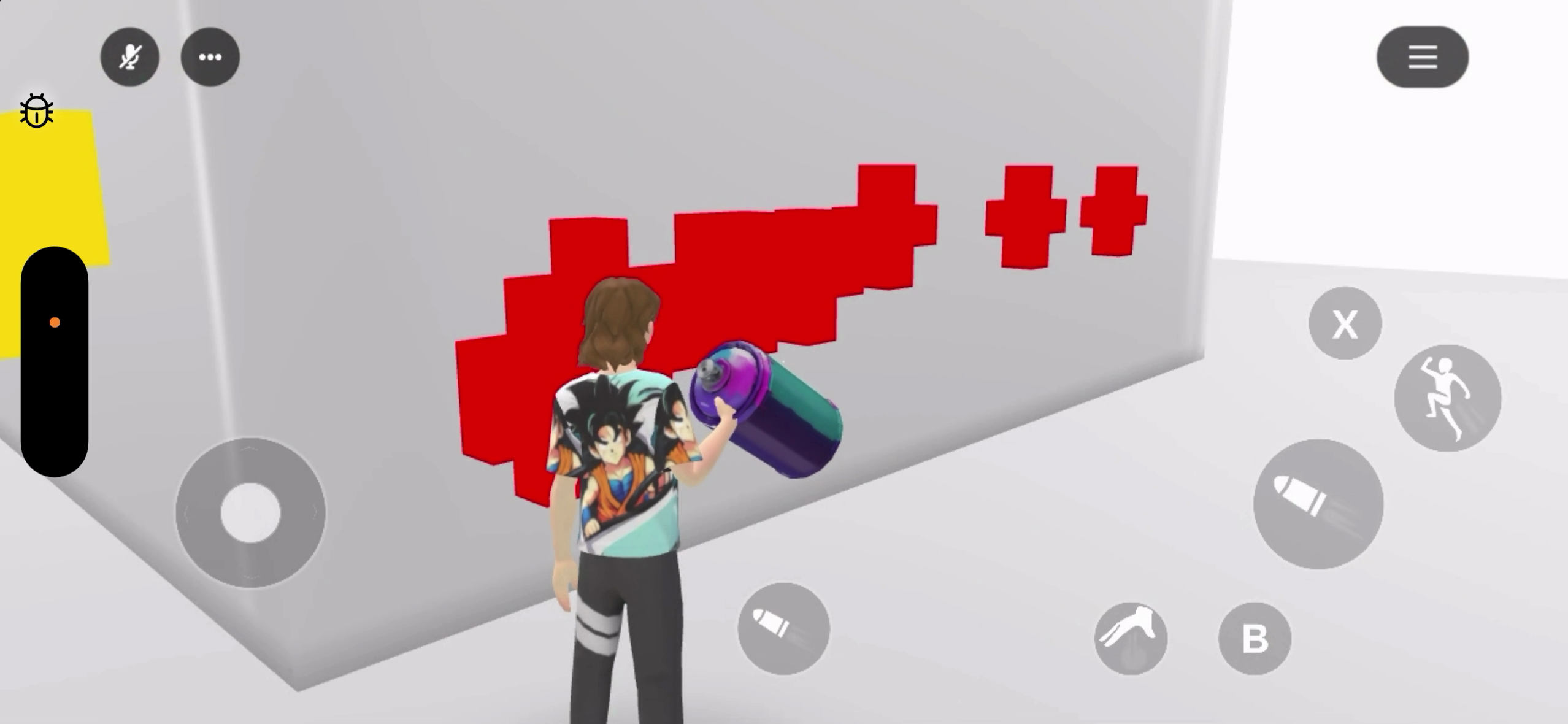
Paint the Block is a live service Freeform creative game where players paint on a collaborative city block and search for paint cans that award them new colors to express themselves with.

We made this game to compete in a Horizon competition Based off tech built for Fire & Rescue. The tech used to render thousands of fire particles dynamically in 3D space was reused to “paint” flat rects oriented away from the surface they were painting, or mix colors together if there were already decals on a given surface. This technique, a workaround designed to get over engine limitations, We had unique gameplay that no one else was able to replicate in Horizon Worlds. I did almost all the initial prototyping and the core tech that made the game possible.


Pop Stars - KPop Edition!

Staff Engineer @ForeVR Games

Tech

Horizon Engine, Typescript

Platforms

Meta Horizon, Meta Quest

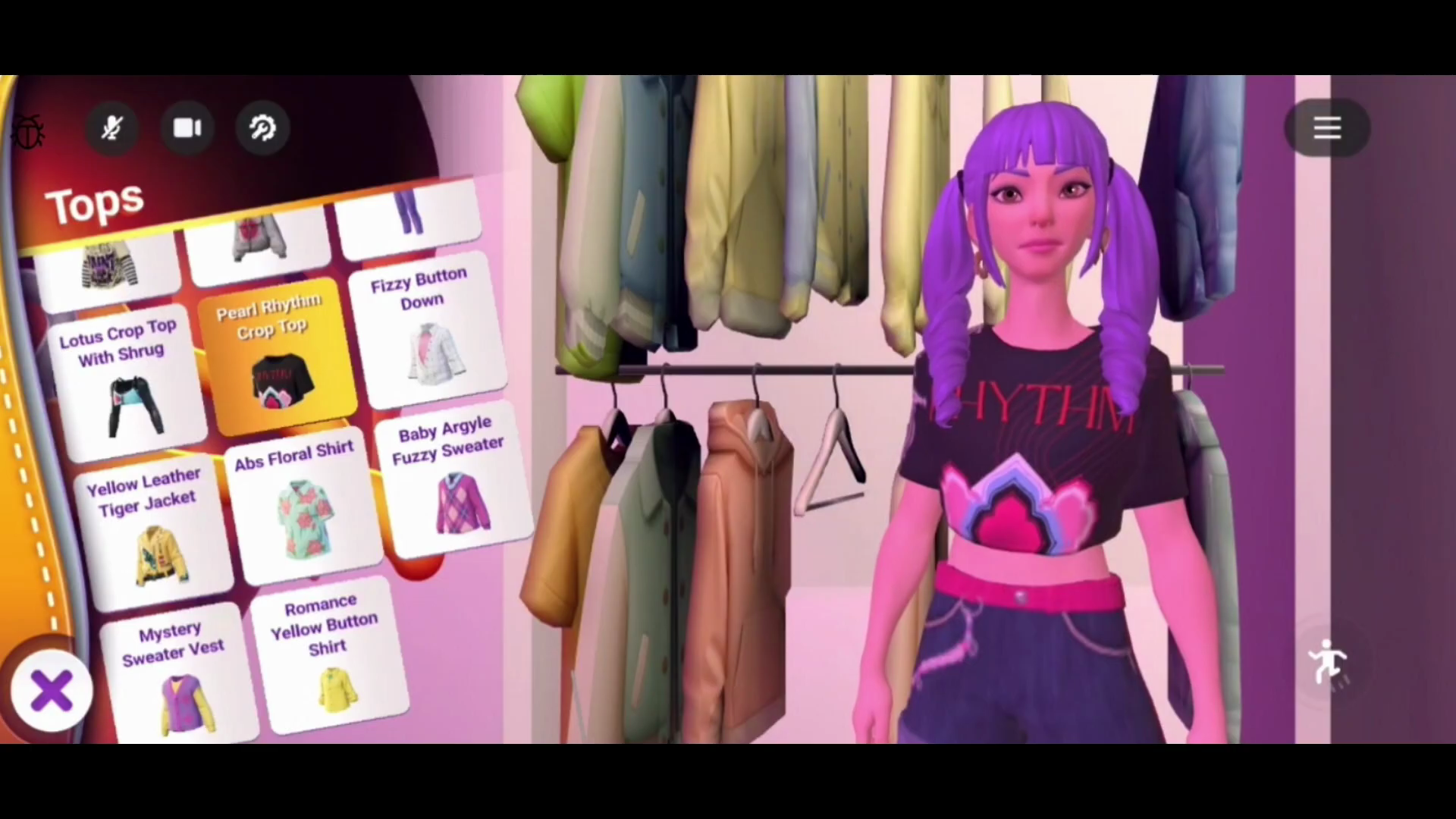
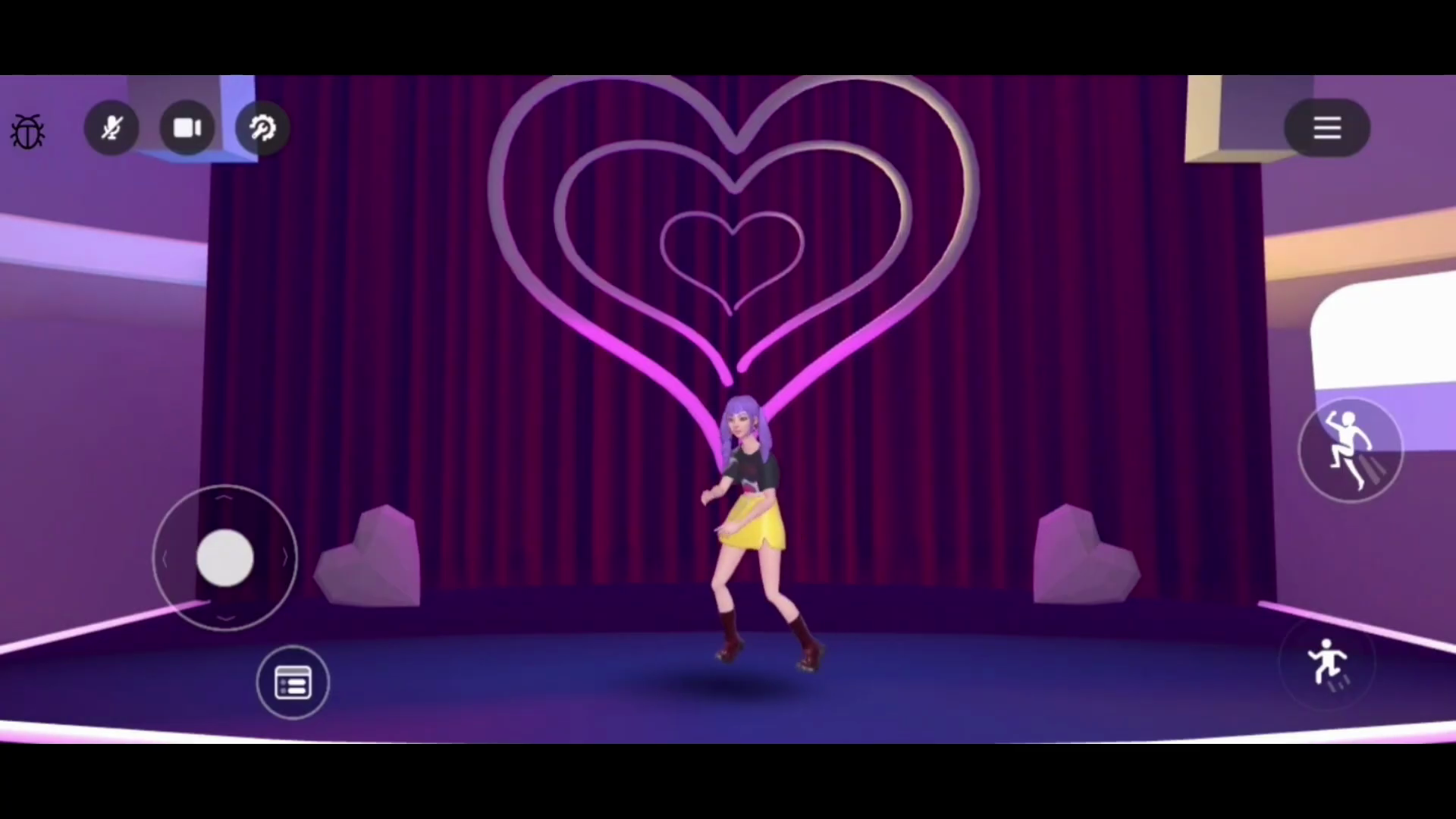
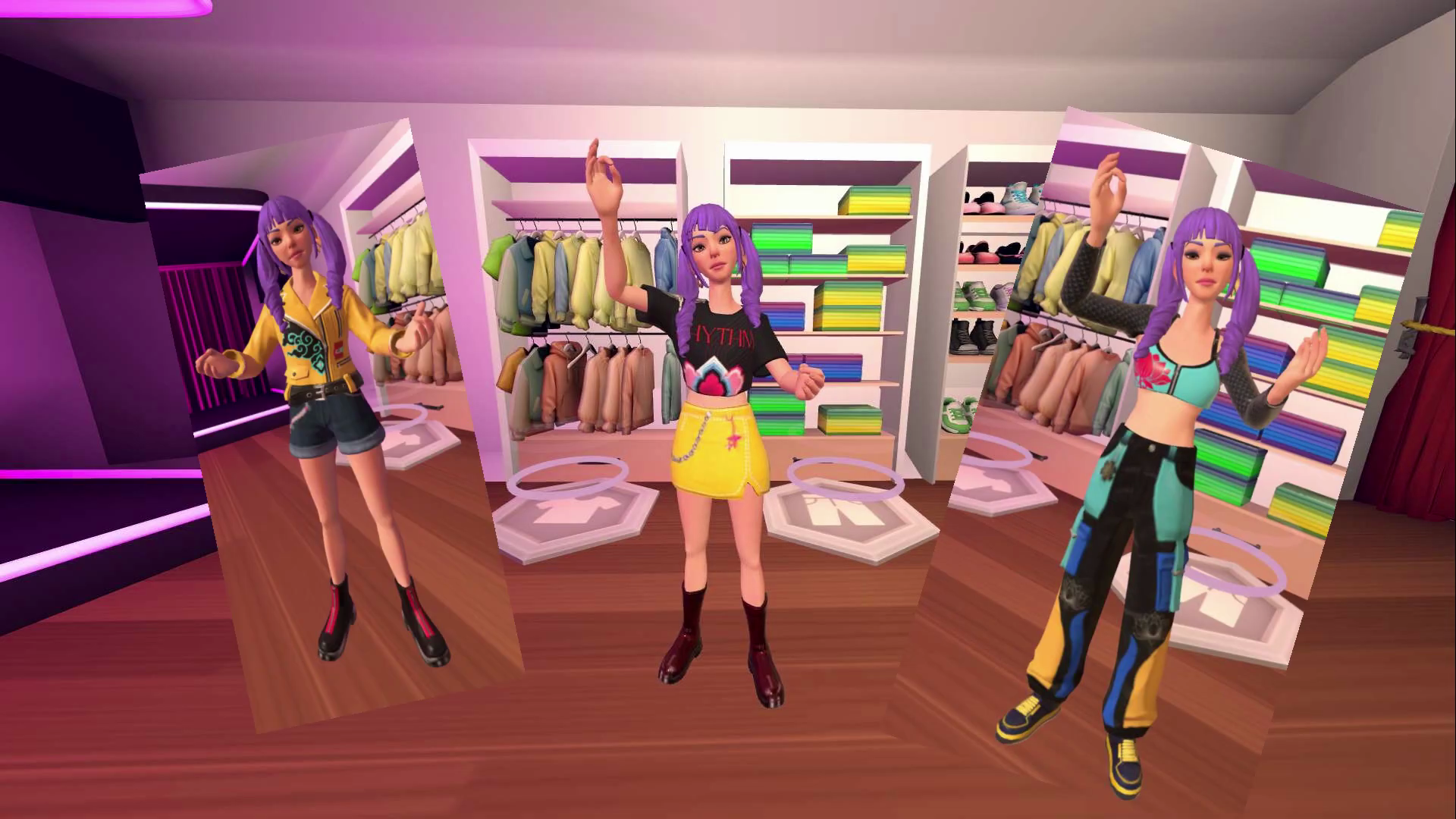
Pop Stars - KPop Edition! is a live service multiplayer pop game where you and your friends dress up, create costumed looks, learn choreography, and performed to 3 AI judges for review. If your choreography is judged well, you could unlock new outfits or songs and construct new dances that you or other players could watch.

This game was developed for a Horizon competition With the theme of Kpop chosen by Meta and our design based off of the popular Roblox game Dress to Impress. I helped set up all of the basic user customization UI and flows. I did much of the early experimentation in overriding the avatar appearance and constructed the data model representing their outfits, dance choreographies, and music selection.


Fire & Rescue

Staff Engineer @ForeVR Games

Tech

Typescript, Unity (C#)

Platforms

Meta Horizon

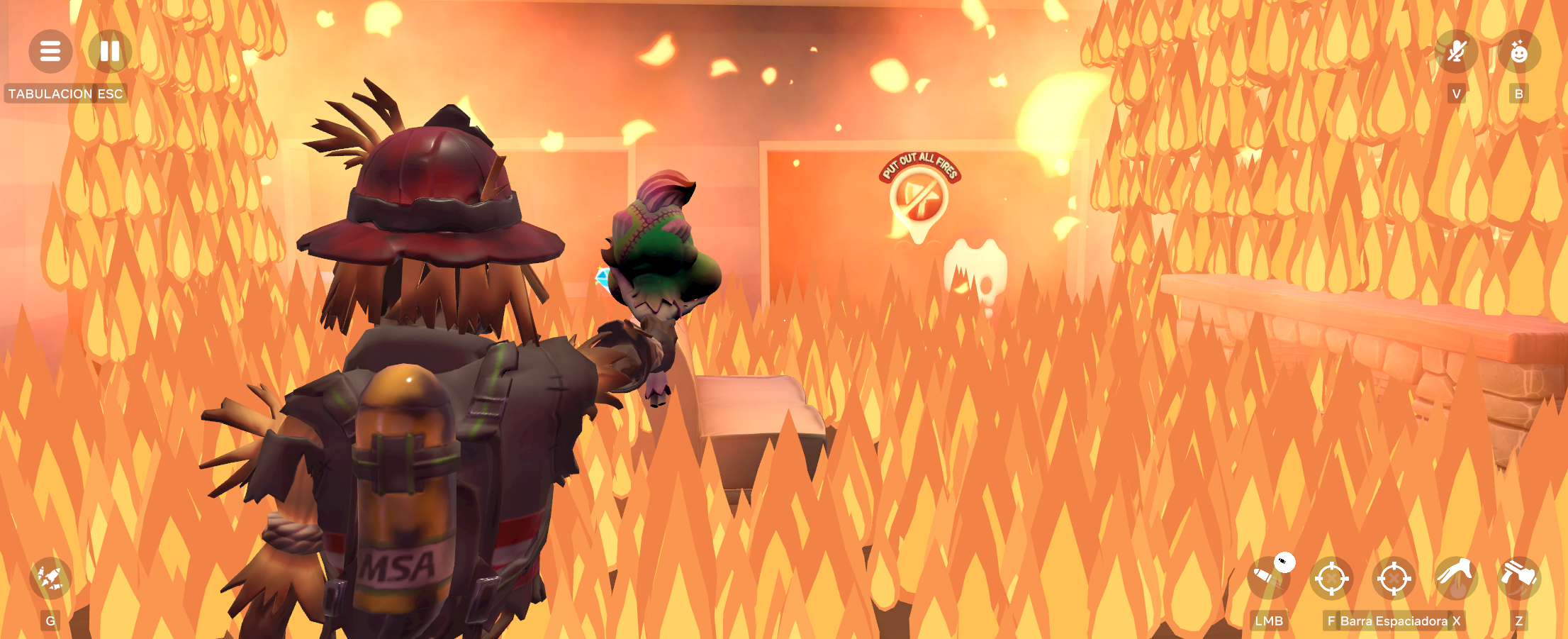
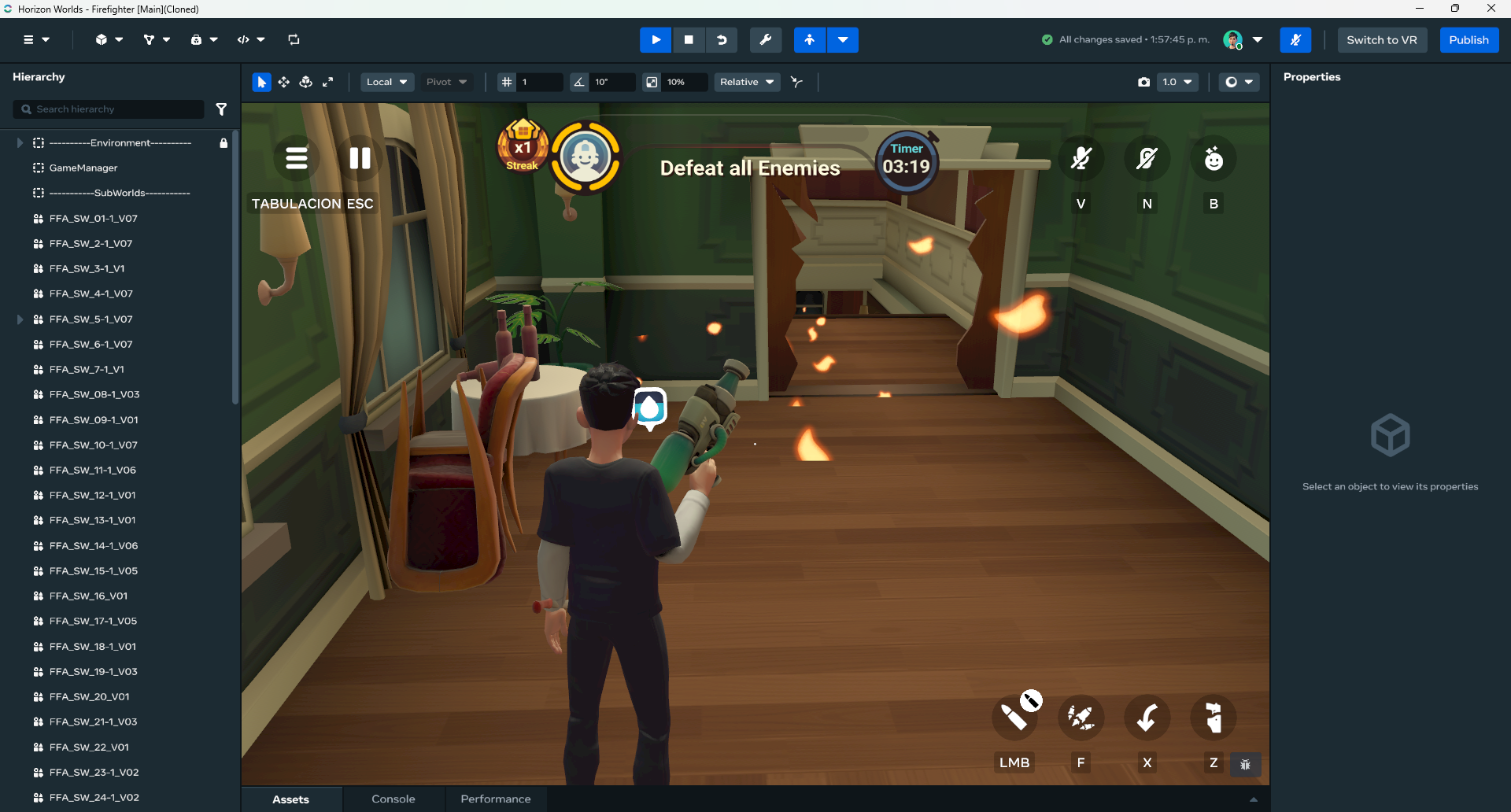
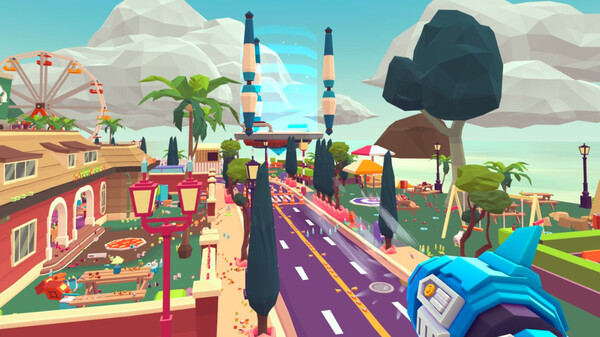
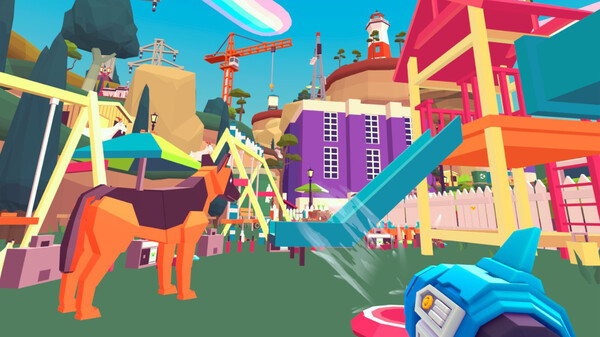
Fire & Rescue is a live service cooperative multiplayer game where players work together to put out a building fire and extinguish fire monsters throughout. The game is played in a series of runs, like a roguelike, where each player upgrades different aspects of their water pistol and picks a different ability. They play through cooperative levels and if they make it that far, fight a boss together at the end of the run.

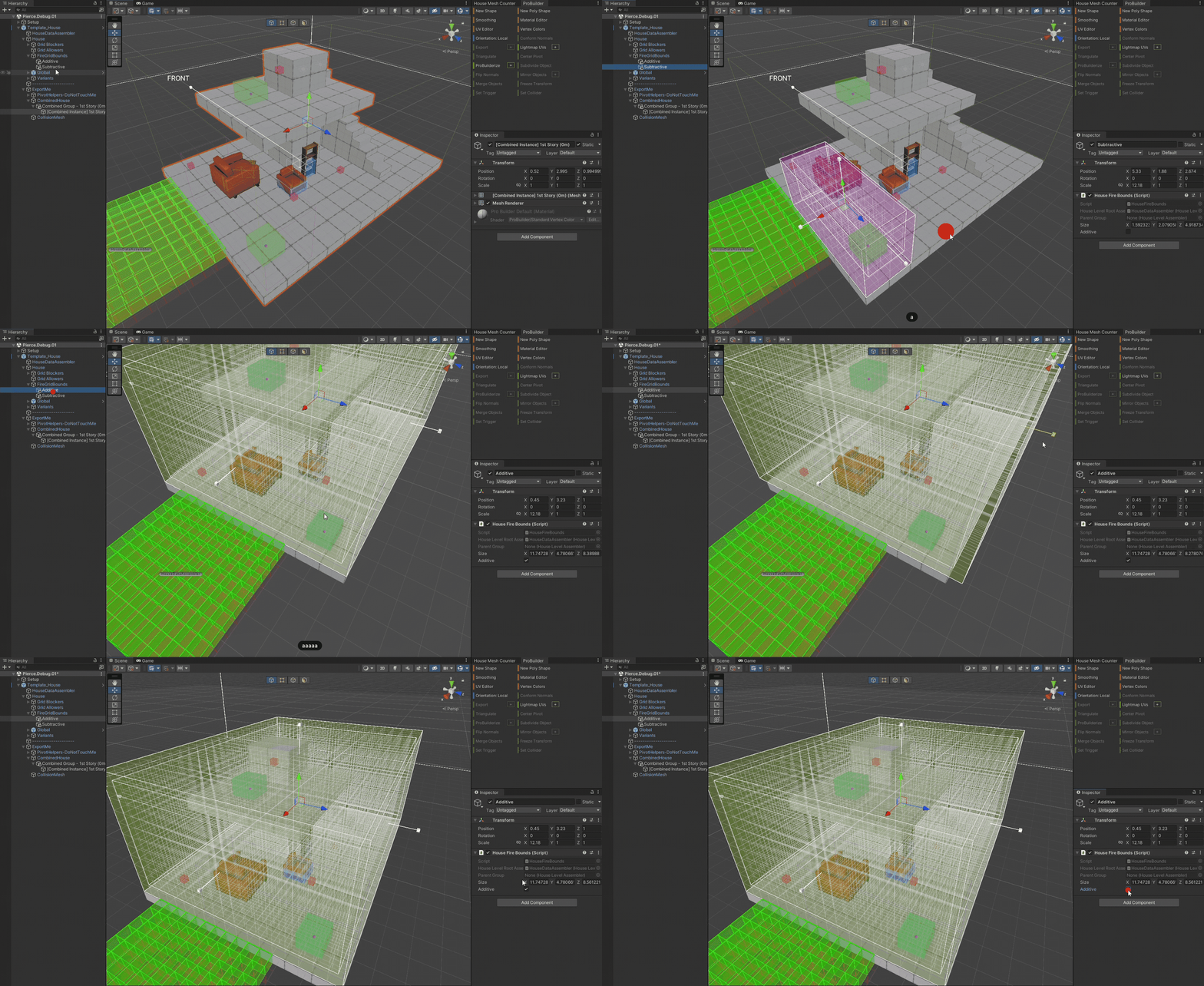
We picked up this game project from a pitch for 2nd party development With Meta to fill out their new Horizon platform with polished games. This game went through 3+ Different structural rewrites and changes to account for shifting platform demands, as well as multiple rewrites of its tooling pipeline. I participated in nearly every aspect of that process, but in particular I owned the game architecture, tooling and the fire system. Originally levels were built in Unity and then a custom export process built assets that could be reconstructed in Horizon dynamically, though we eventually settled on in-engine tooling. I also wrote a custom grid-based fire system that simulated fire propagation across its three-dimensional cells and rendered fire by using a custom particle system to cut down on draw calls. This system was the basis of three other projects that we ended up working on in Horizon.


ForeVR Suck It

Senior VR Engineer @ForeVR Games

Tech

Unity (C#), Photon Fusion

Platforms

Meta Quest, Steam VR

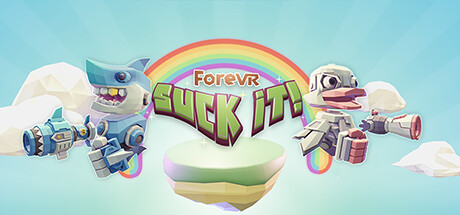
ForeVR Suck It is a live service competitive multiplayer game where each player is competing to grow their size by sucking up as much stuff as possible in each level and complete the game’s shifting objectives. At launch we’ve designed a single game mode where players compete to gather stars and turn them into a redemption pad, but over time we plan on adding new game modes and maps that twist our core mechanic in a variety of ways.

I worked on this game after the company shifted focus off of it’s core sports titles. When I joined the game was mostly defined from a pre-production stage earlier in the year. I primarily worked on the bot AI, but as the project went on in the summer I touched almost every gameplay system in some way. I also did the initial prototyping for the projectile shooting system and much of the hardening up to release.


ForeVR Sports Games

Senior VR Engineer @ForeVR Games

Tech

Unity (C#), Photon

Platforms

Meta Quest, SteamVR

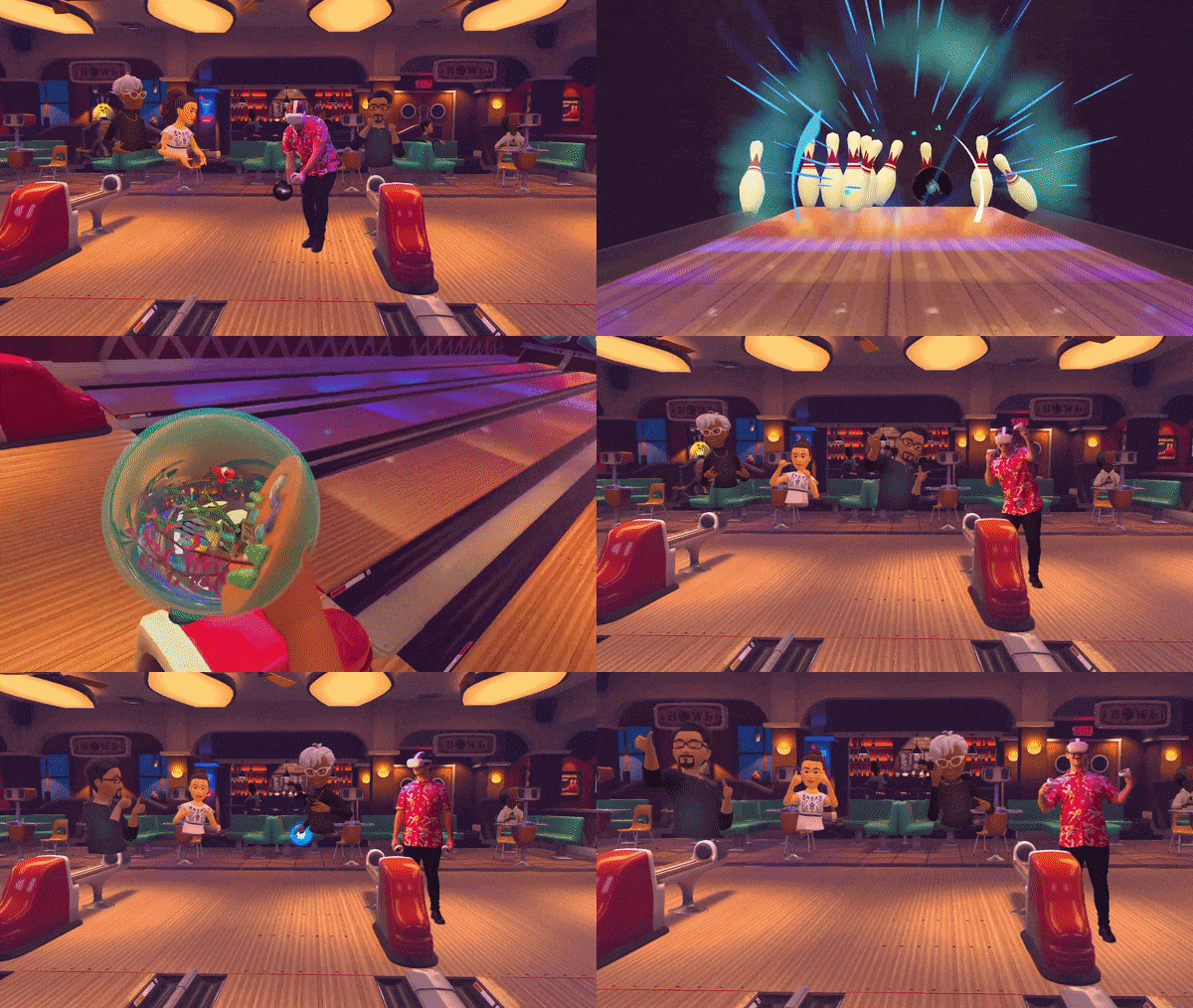
ForeVR Bowl, ForeVR Darts, ForeVR Cornhole and ForeVR Pool are each separate live service VR casual sports titles I worked on at ForeVR Games. My team was maintaining and improving each of these games after release. At the time I joined we maintained Bowl and Darts with Cornhole and Pool launching shortly afterwards. All 4 games used shared submodules and very similar architecture, so changes needed to consider the potential impact across multiple titles.

While on the LiveOps team I contributed to the SteamVR port, multiple dependency services, platform-specific live configuration flags and my regular workload of bugs and minor tweaks. I also was the primary developer on Practice Mode in Pool, Hall Tour in Cornhole and my work on Practice Mode in Pool was the foundation for the 9-Ball game mode.


Loam

Lead Game Developer @Amebous Labs

Tech

Unity (C#)

Platforms

Meta Quest

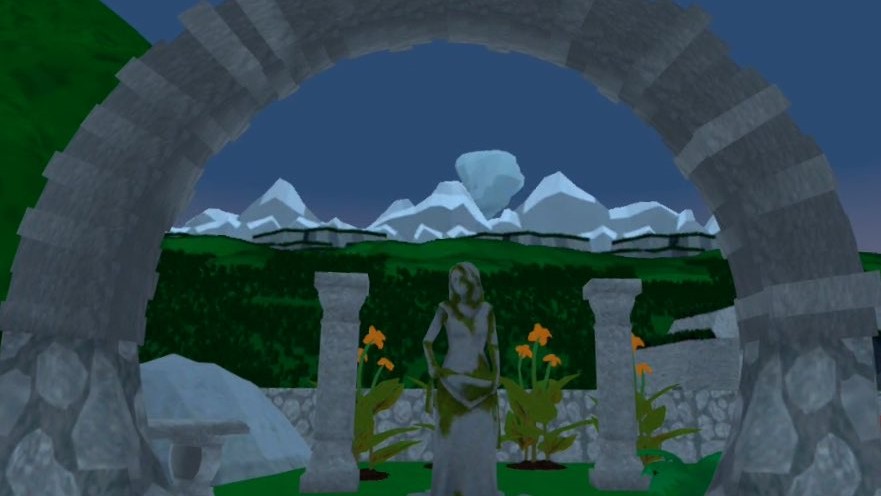
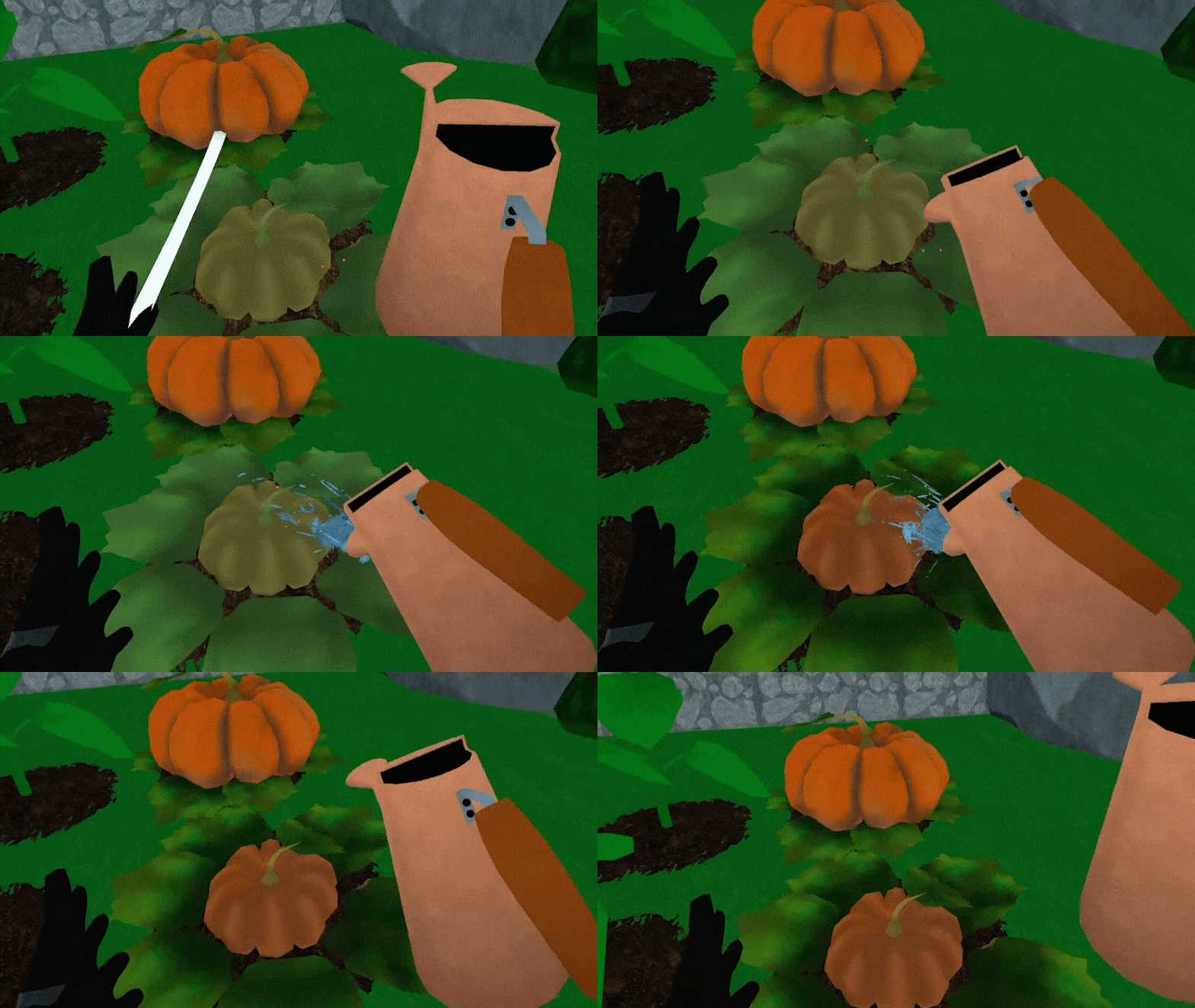
Loam is a gardening simulation game for the Meta Quest where players create their own outdoor garden by growing plants and decorating with purchasable items. The plants come from seed bags, and once planted grow from small sprouts to fully-grown after being watered regularly and enough in-game days have passed. They can be harvested of fruits or flowers, which can regrow and are sold to decorate. Special critters will appear depending on what plants and decorations the player use in their garden too.

I was one of the original developers on this project. While working at Futurus during the pandemic we created an in-house game studio, Amebous Labs, and pivoted to a VR game when other work became scarce. I also lead the development on the project, helped run the initial pitch meetings and I created some of the original prototypes. I architected many of the major systems in the game including the interaction system, the day-night system and the item/inventory system. At max I managed 3 other developer’s time, took on an intern, ran the standups and distributed the work load for each developer.


Call the Play

Software Developer @Futurus

Tech

Unity (C#)

Platforms

SteamVR

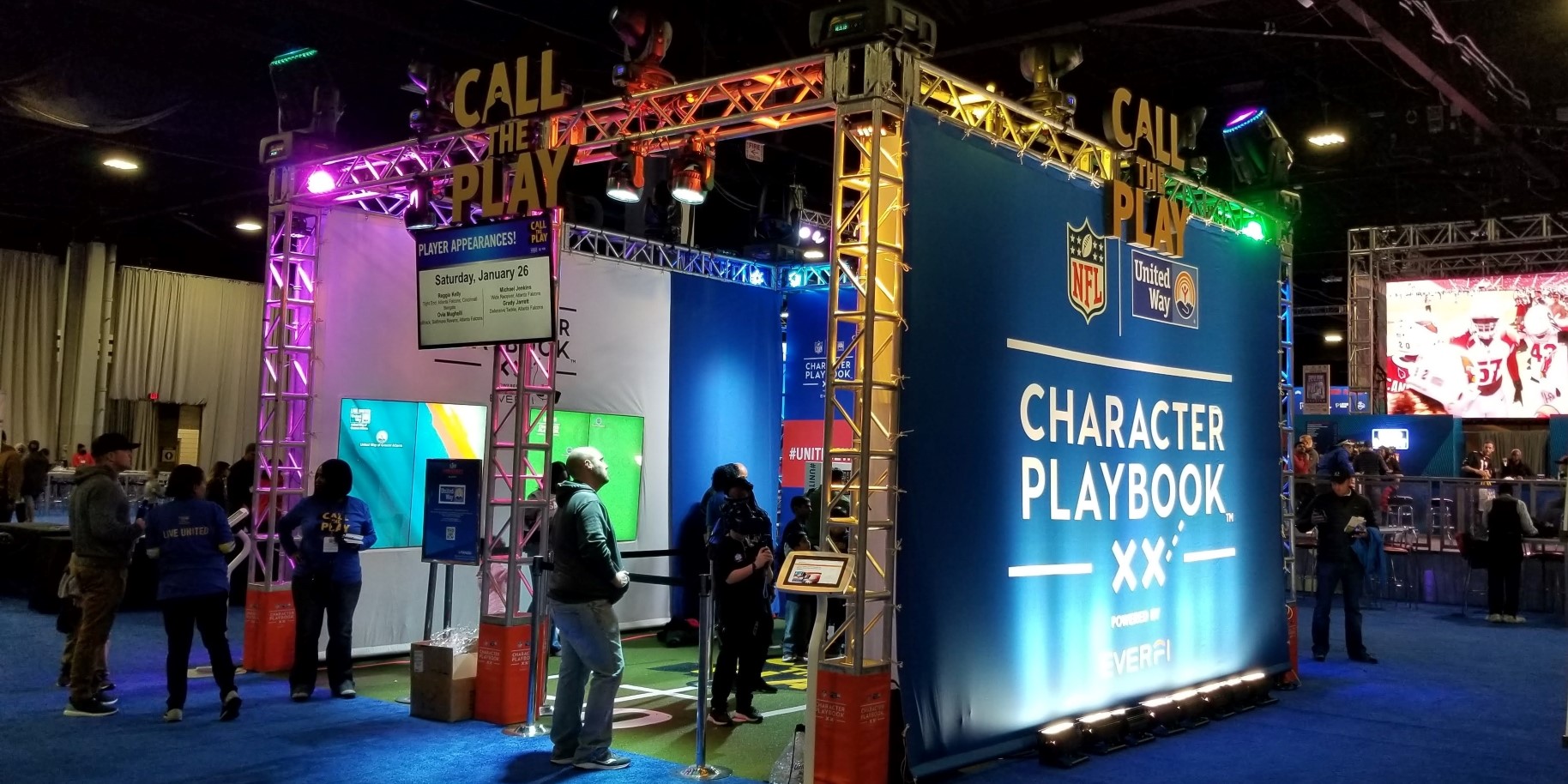
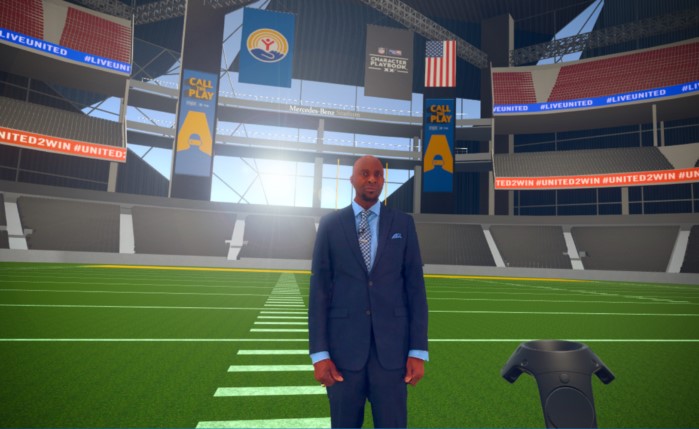
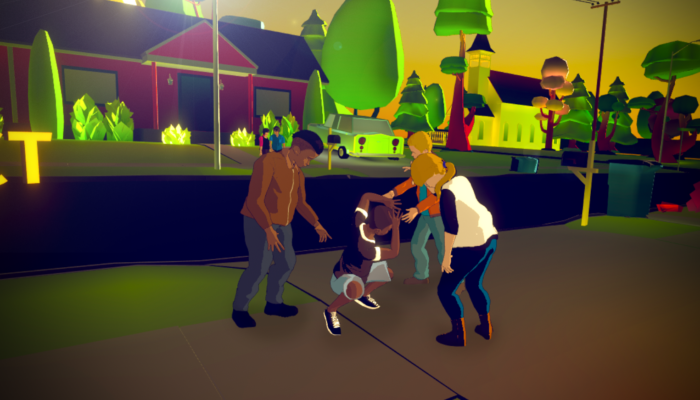
Call the Play is an interactive VR narrative adaptation of bullying experiences narrated by NFL players. I worked on the project as one of two developers, a 3D artist and an art director hired for the project. I primarily built tooling, such as inspector-driven components that we could use to drive behavior from the Unity timelines, and helped implement our art directors vision. I prototyped his ideas with a combination of custom shaders and scripting, and I helped show our 3D artist how to build modular environment art.

The idea behind the project was to be a short experience playable at a week-long “Super Bowl Live Experience” held at the Georgia World Congress Center prior to Super Bowl LIII. The experience needed to be short because the live experience was akin to an expo hall at a conference, there were a lot of booths and attendees likely wouldn’t want to linger at any one location for long. We broke the experience up into multiple stories so groups could try to different ones and tell one another about them, and we limited interaction to just a few places to ensure a consistent throughput.


A Bridge Between Bodies

Solo Developer @Georgia Tech

Tech

Unity (C#), VRTK

Platforms

SteamVR

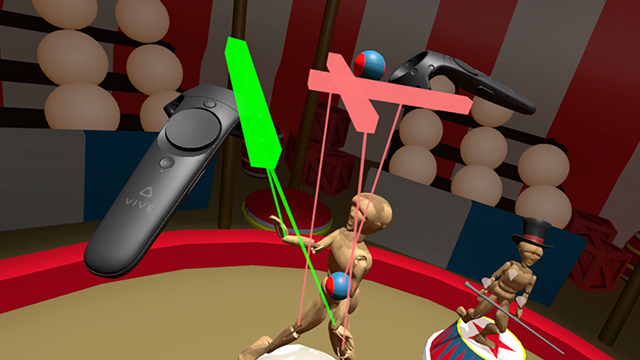
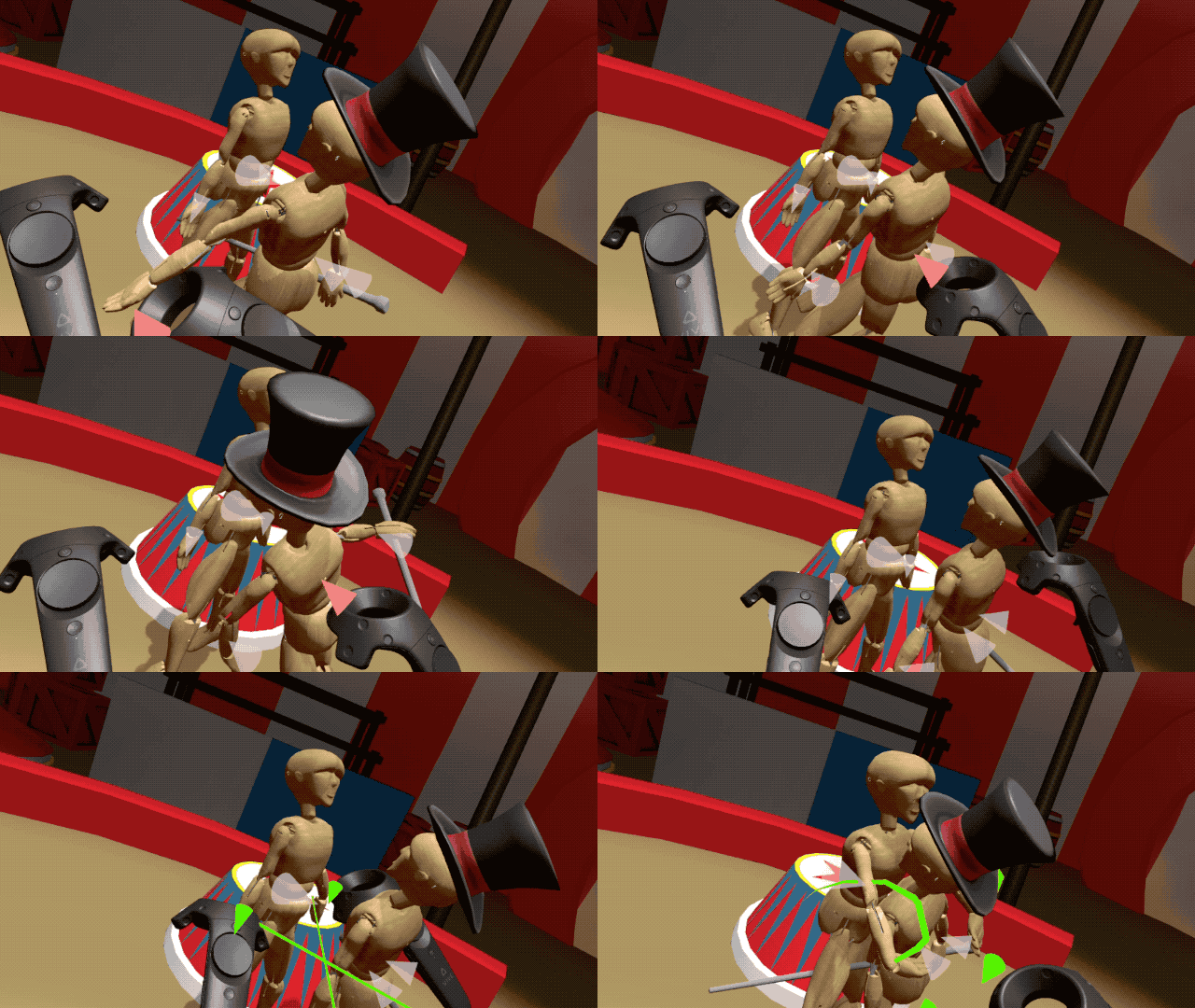
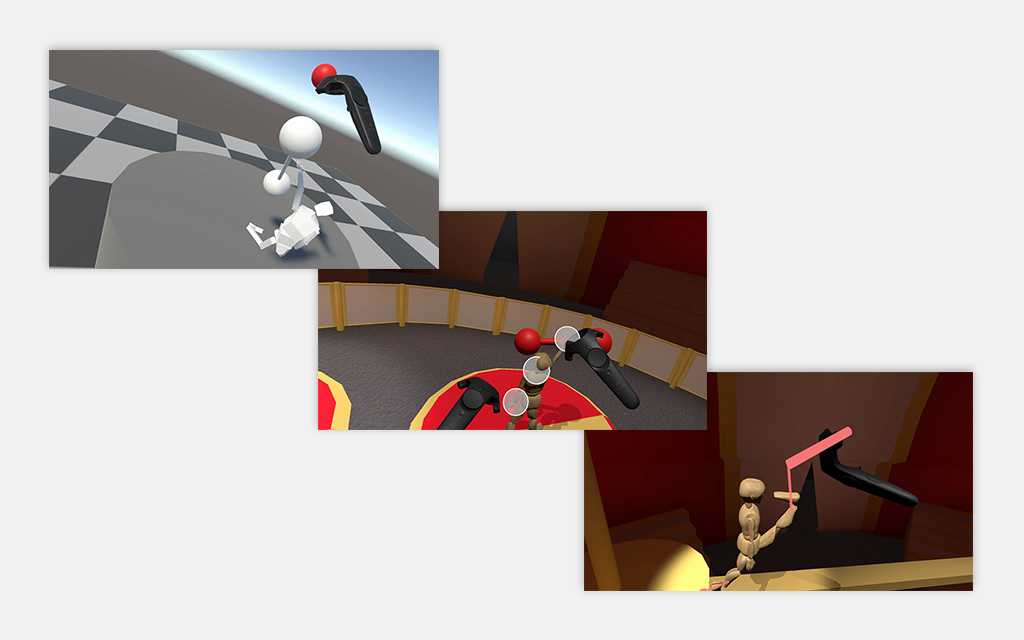
A Bridge Between Bodies is the title of my master’s thesis project at Georgia Tech. I created a PC VR playable sandbox of multiple 3D avatars, each of which implement a shared control scheme and paradigm. The demo is an attempt to argue that 3rd person interaction in VR has a lot of untapped potential for expressive movement and embodiment while side-stepping many of the locomotion-based accessibility issues that VR has, primarily motion sickness.

I was the sole contributor to the project. I wrote my thesis and programmed the demo using Unity and VRTK. My thesis advisor, Micheal Nitsche , helped me resolve many design problems and work out technical problems when I got stuck. Among the challenges, wrangling Physx was the hardest problem to solve. I didn’t attempt to create real simulations of more complex puppetry forms like rod or string, so instead I made heavy use of PID controllers to allow non-kinematic rigidbodies to be directly manipulated by players without over-stretching the connected joints.


Pico On-Ice

Graduate Student @Georgia Tech

Tech

Pico-8 (Lua)

Platforms

Pico-8

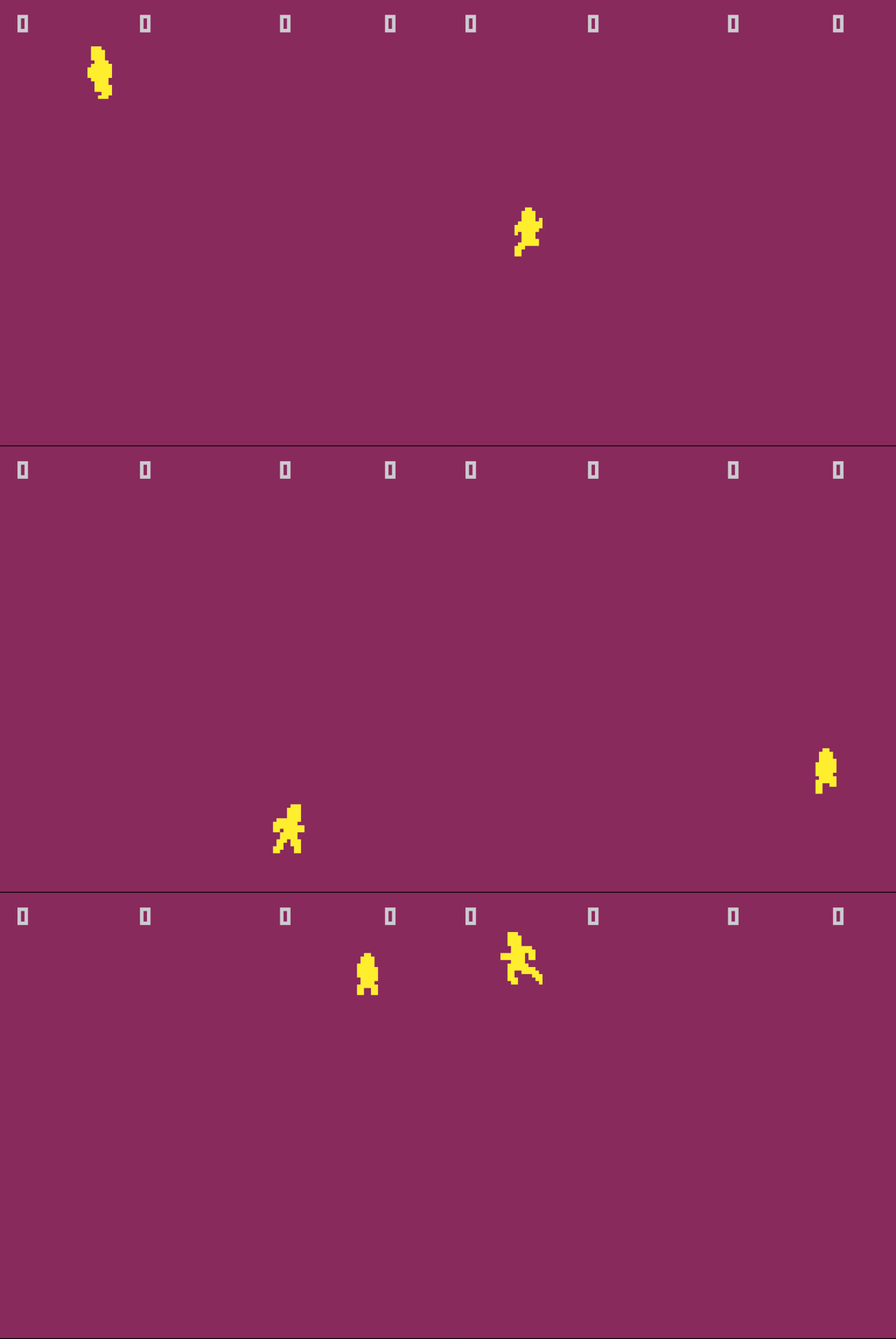
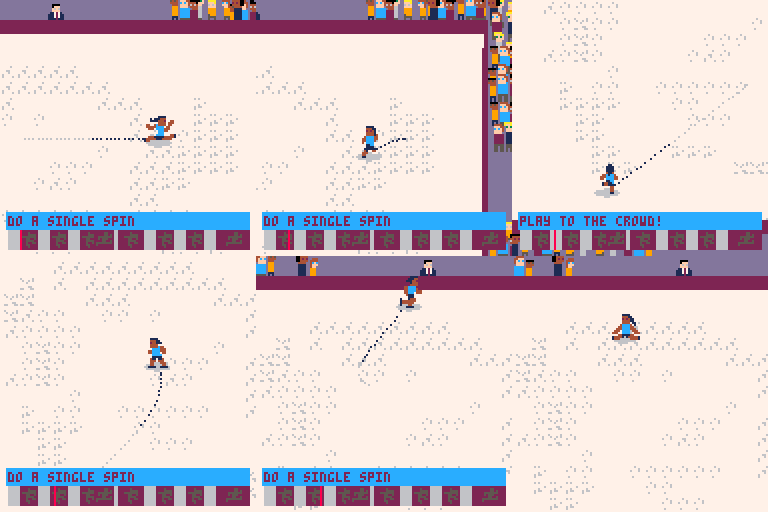
Pico On-Ice is a Pico-8 (playable on PC and the web) arcade game about figure skating. In the game, the player controls a figure skater that can jump and pirouette, or do both at once. A 30 second long routine is generated for each game and the player must attempt to perform each move in the order and during the time specified for the routine. The player is scored by closely they matched the routine, and fails if they hit the side of the rink.

This was my final project in a game design class I took taught Ian Bogost while I was at Georgia Tech. I was the sole developer on this project, and it was the culmination of multiple week-long game prototypes we made over the course of the term. Pico-8 games have a max number of characters their code base can use, can only contains a handful of colors, and only come with systems for rendering shapes and sprites, listening for input (restricted to 2 buttons and directional), handling windowing and playing sounds. For this game I had to write my own basic physics implementation, camera tracking of the avatar and scoring based on hitting the correct series of inputs during specific sections of the randomly generate routine. The only aspect of the game I did not create was the music, which I copied from a free collection of Pico-8 music


Finding Dory - Just Keep Swimming

Game Designer @Disney Publishing Worldwide

Tech

Unity (C#)

Platforms

iOS, Android

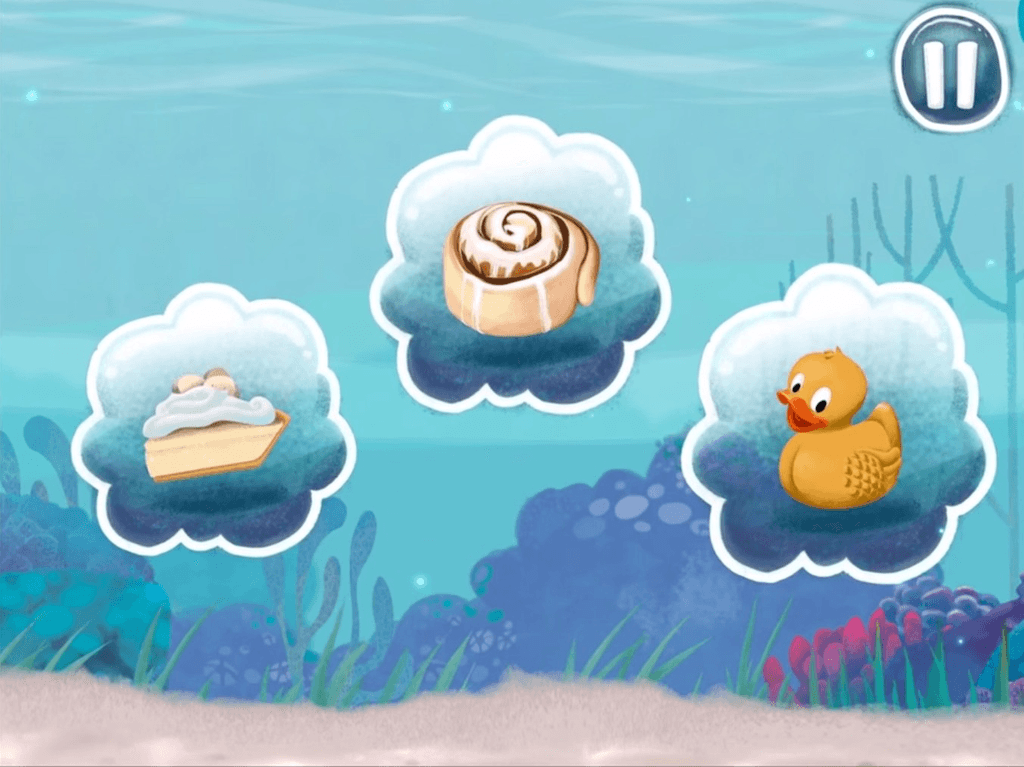
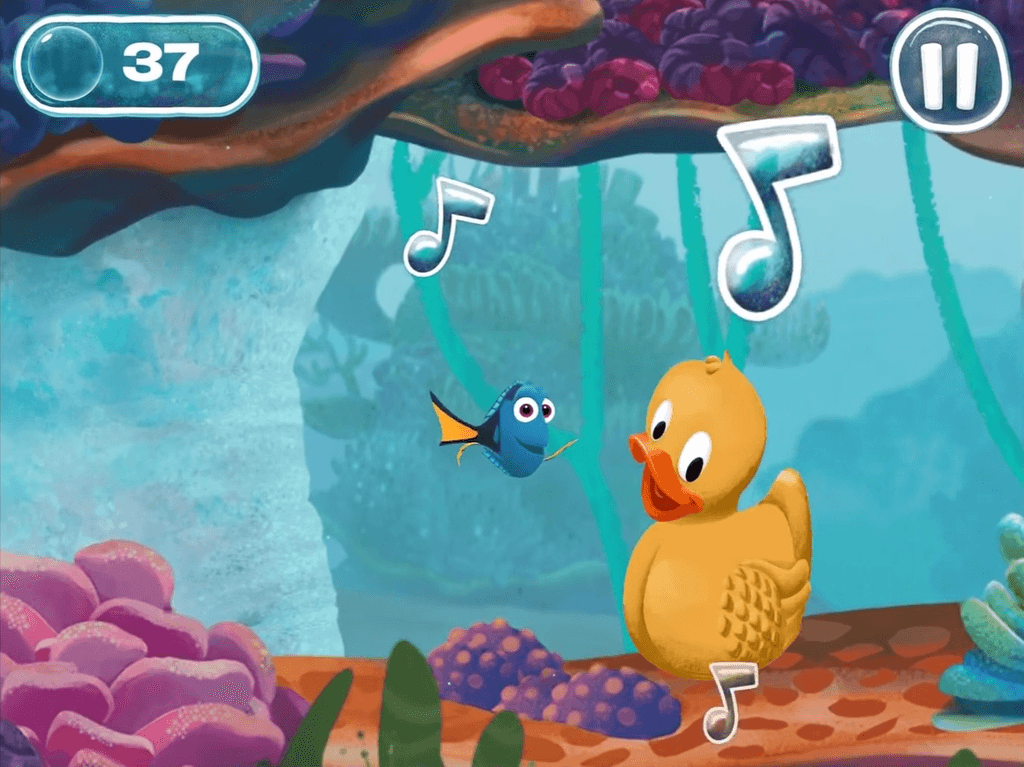
Finding Dory - Just Keep Swimming is a mobile kids exploration game where Dory tries to retell the story of the movie but can’t quite remember all the details right. I worked on the game initially as a game design intern and eventually as an associate game designer. I helped make an initial prototype for the game in Unity, pitch mechanics, level concepts and test builds. I also helped run playtests at the on-site daycare.

The game itself was based on other exploration-based games like Gathering Sky and Heroki but we also wanted to make use of the conceit of the character in fun ways. In the game, Dory frames each level and narrates, and due to her memory lapses she can’t remember everything correctly. We have her ask the player to help her remember certain parts and “fill in the blanks”, or if something goes wrong we have her interject and say “no no that didn’t happen” ala Prince of Persia.